2014
JUNE Beong Sei was born in Korea and has been carving for over 15 years. He is a member of Korean Fine Arts Association, and has worked in Cambodia for five years with a missionary NGO KDfCC assisting Khmer children and handicapped people.
JUNE Beong Sei est né en Corée du Sud, où il a travaillé la sculpture et la gravure durant 15 ans. Il est membre de l’association « Korean Fine Art » et a habité au Cambodge pendant 5 ans. Il y était missionnaire dans une ONG /KDFCC. Il aidait des enfants et des adultes cambodgiens handicapés.
Philippe BROUSSEAU was born in 1956 in the green, lake-filled region of Vendéen in the west of France. After studying advertising and the decorative arts at a private art school run by un Compagnon du Tour de France et Meilleur Ouvrier de France, he worked for 31 years at a large French company as Sculptor / Modelist creating prototypes and original models. He discovered Southeast Asia in 1999 and Cambodia in 2004 and fell in love with both the country and its art. By 2011, he made the decision to stay and opened Jayav Art studio to pursue his interest in making sculpture from papier mâchés.
L’artiste Philippe BROUSSEAU est né en 1956 dans le bocage Vendéen à l’ouest de la France. Après des études de publicité et décoration dans une école d’art privée dirigée par un Compagnon du Tour de France et Meilleur Ouvrier de France, il travaille pendant trente et un an dans une grande entreprise en France comme Sculpteur Modéliste, créateur de prototypes et modèles originaux. Il découvre l’Asie du Sud Est en 1999 et le Cambodge en 2004 ou il éprouve un véritable coup de foudre pour le pays et l’Art Khmer. Il décide de s’y installer en 2011 et y crée l’entreprise de sculptures en Papier Mâchés « Jayav Art ».
Born in 1984 in Kampong Cham province and now living in Siem Reap, HUOT Vannak works as a painter and also teaches painting. He attended Stung Trong high school and then worked for twelve years with Juok Sel Fine Art. In 2013, he became an art teacher, specializing in traditional painting, at Sampon Metrey Development Organization.
Né en 1984 dans la province de Kompong Cham, HUOT Vannak vit maintenant à Siem Reap. Il continue à travailler sa peinture tout en enseignant cette discipline.
Il a suivi ses études au lycée de Stung Trong. Il a ensuite travaillé pendant douze ans avec la' Juok Sel Fine Art.' En 2013 il devient professeur d'art, spécialisé dans la peinture traditionnelle à la Sampon Metrey Development Organization.
Margaret HUDDY is a nationally known, prize winning watercolor painter, teacher, juror and writer. Margaret recently retired from the faculties of The Art League School in Alexandria, VA and the Corcoran College of Art and Design in Washington, DC. She has taught workshops around the USA and led students abroad on painting workshops to Ireland, Tunisia, France, Italy, and Canada. Her work is in many public and private collections worldwide including but not limited to: the Supreme Court of the United States, the National Park Service, the Carnegie Museum of Art, the U.S. Department of State, U.S. Embassies in Beijing, Botswana and Sierra Leone, Bank of America and the Marriott Corporation
Margaret is a frequent contributor to national art magazines. She authored articles that have appeared in The Artist’s Magazine, Watercolor Magic and The Artist’s Sketchbook. She wrote and illustrated a book of State Flowers for the Credit Union National
Association.
Margaret is a signature member of both the American and National watercolor societies and the Watercolor USA Honor Society. She has been honored as Artist in Residence at Glacier National Park, Sleeping Bear Dunes National Lakeshore and the city of Dinan, France. The U.S. Department of State sent her to Paraguay as “An American Artist Abroad” where she taught workshops around the country.
For the past 32 years, she has welcomed the public into her studio in the Torpedo Factory Art Center in Alexandria, Virginia.
Margaret HUDDY est connue nationalement. Elle a reçu de nombreux prix comme aquarelliste. Elle est aussi professeur, jurée, et écrivaine. Aujourd’hui elle a pris sa retraite de la « Art League School » à Alexandria en Virginie ainsi que du «Corcoran College of Art and Design» à Washington DC. Elle a dirigé des ateliers dans tous les Etats Unis et a conduit des étudiants dans des ateliers de peinture en Irelande, en Tunisie, en France ainsi qu’au Canada. On peut apprécier ses œuvres dans de nombreux lieux publics ou dans des collections privées. On peut citer notamment La Court Suprême des Etats Unis, le National Park Service, le Musée Carnegie, le Département d’Etat, les ambassades à Pékin, au Botswana et Sierra Leone, la Banque Américaine et le groupe Marriott.
Margaret participe très souvent à des magazines d’art. Elle écrit des articles que l’on retrouve dans «The Artist’s Magazine, Watercolor Magic, The Artist’s Sketchbook.»
Elle a écrit et illustré un livre sur les fleurs emblèmes des USA pour l’association du Crédit d’Union National. Margaret est membre signataire de «L’American and National watercolor societies » et « Watercolor USA Honor Society.»
Elle a aussi été reconnue comme Artiste en Résidence au Glacier National Park, le Sleeping Bear Dunes National Lakeshore et la ville de Dinan en France. Le Département d’Etat américain l’a envoyée au Paraguay au titre de « Artiste Américaine itinérante », où elle a enseigné dans des ateliers à travers tout le pays. Pendant trente deux ans, elle a rencontré son public dans son studio à la Torpedo Factory Art Center à Alexandria en Virginie.
HENG Hun Sovann was born 1983 in the Cambodian province of Takéo. The child of farmers, he was interested in art and dreamed about making pottery during his high school years.
In 2002, while continuing his research in pottery, Sovann met Japanese Master-potter, Mrs. Ishikawa Yuko, who had come to Siem Reap to study traditional Khmer pottery with LO YU YU, an NGO group.
Inspired by their meeting, Sovann continued to study traditional forms and techniques as exhibited in Cambodian museums. His appreciation for the traditional led him to explore new designs that he had found referenced in books. Eventually, he became the manager of the small pottery group established at Prasat Bakong, not far from Siem Reap and close to the Angkor Temples.
Sovann is passionate about creating new designs to satisfy the growing number of requests from his customers. His creativity and his love of nature, combined with his knowledge of traditional pottery, help inspire him ensuring his work remains innovative and respectful of the past. His Elephant Soup Bowl exhibits that blending of the traditional, the modern and the practical as practiced by his small group of potters.
HENG Hun Sovann est né en 1983 au Cambodge dans la province de Takeo. Cet enfant de paysans a toujours été intéressé par l’art et a rêvé de poterie durant ces années de collège.
En 2002 alors qu’il avançait dans ses recherches en poterie, Sovann fait la connaissance d’un Maître Potier Japonais, Madame Ishikawa Yuko qui était venue à Siem Reap pour étudier la poterie traditionnelle khmère avec Lo Yu Yu un groupement d’ONG.
Inspiré par cette rencontre, il continue à étudier les formes traditionnelles et les techniques qu’il voit dans les musées cambodgiens. Sa formation traditionnelle le conduit à travailler sur de nouveaux dessins et de nouvelles formes qu’il trouve dans les livres. Il se retrouve finalement Directeur du petit groupe de potiers installé au Prasat Bakong, non loin de Siem Reap et tout à côté des temples d’Angkor. Sovann est passionné par l’idée de créer de nouvelles formes pour satisfaire une demande toujours croissante. Sa créativité et son amour de la nature combinés à sa connaissance de la poterie traditionnelle l’inspirent si bien que son travail est à la fois novateur et traditionnel.
Sa soupière éléphant est un exemple parfait de ce mélange de la tradition et des techniques utilisées par ce petit groupe de potiers des Roluos.
Born in France to Cambodian parents having fled Pol Pot and the Khmer Rouge regime in the 1970’s, FONKi grew up in Montreal, Canada. His family history and exposure to a triple culture (Cambodian, French, Canadian) shaped his appetite for adventure, his artistic sensibility and his dreams. At the age of 15 he discovered the artistic expression found in graffiti, and little by little became one of the leading members of a new generation of Montreal graffiti artists of the new millennia. For four years, FONKi studied cinema animation at the Mel Hoppenheim School of Concordia University. But his real passion, and where he spent most of his time and energy, was outdoors painting or organizing solo or group exhibitions. In September 2012, in collaboration with the artist Le Bonnard, he created an exhibition entitled MTL ZOO, where a number of Montreal artists, both established and up-and-coming, were invited to exhibit their works.
In the summer of 2012, his artistic sensibility and beliefs were shaken as he began work on a film documentary entitled The Roots Remain. In it, he explores his family history and chronicles his encounters with a new Khmer generation growing up post Khmer Rouge. FONKi finds inspiration in their bountiful energy and dreams with them about the future. His cans of paint and his “street art” provide him an entry into Cambodian society and open doors for him in local communities throughout the country. During his last visit, FONKi finds a country in transformation. He meets the icons of the renaissance of Cambodian art: Kosal Khiev, the exiled poet, Visal Sok, the pioneer of Cambodian Hip-Hop, and Peap Tarr and Lisa Mam, the first Cambodian street artists; and contributes to the unfolding Khmer artistic rebirth by painting the first example of Kbach Khmer graffiti at the entrance to the controversial Bong Kak lake development. Later, inspired by history, he designs a mural for the front entry wall of the l’Institut Français. The mural pays homage to the memory of his grand-parents who disappeared in the war and is dedicated to the Cambodian people: to all the families and their unique personal histories, who together form the history of Cambodia.
Using his artistic talent, FONKi transcends the dark images of the past. He repurposes the ancestral art form Kbach and transforms it into something contemporary. Today, FONKi tries to return regularly to Cambodia and is always guided by the maxim that he signed on the bottom of the mural at l’Institut Français: “Add color to the present if your past seems grey”.
Né en France de parents cambodgiens qui ont fui le régime de Pol Pot dans les années 70, FONKi a grandi à Montréal, Canada. Son parcours familial et sa triple culture (France-Cambodge-Canada) ont façonné son gout pour la découverte, sa sensibilité artistique et ses rêves. À l’âge de 15 ans, il découvre le graffiti et devient peu à peu une des importantes figures de la nouvelle génération de graffeurs montréalais de l’après 2000. Pendant 4 ans, FONKi étudie le Cinéma d’animation à l’école Mel Hoppenheim de l’université Concordia. Mais son temps et son énergie, il le passe plus dehors à peindre ou à organiser des expositions solos et collectives. En septembre 2012, avec l’artiste Le Bonnard, il crée le collectif MTL ZOO, où de nombreux artistes montréalaise de la relève et de renom, sont invités à participer à des évènements et expositions collectives.
Son esthétique et sa démarche artistique basculent durant l’été 2012, alors que FONKi fait l’objet d’un long métrage documentaire intitulé « Retour aux Sources » (The Roots Remain). Il replonge alors dans son histoire familiale, et part à la rencontre de la nouvelle génération khmère qui émerge dans le Cambodge de l’après-guerre. FONKi veut s’inspirer de leur énergie débordante, rêver avec eux au futur. Ses canettes de peinture et son art de la rue lui ouvrent les portes du Cambodge, et l’aident à tisser des liens avec les communautés locales à travers le pays. Durant ce dernier voyage, FONKi découvre un Cambodge en pleine transition. Il côtoie les icones de la renaissance de l’art khmer : Kosal Khiev, le poète exilé, Visal Sok, le pionnier du hip-hop khmer, Peap Tarr et Lisa Mam, les premiers artistes de rue khmers. Inconsciemment, il contribue à l’édifice de la renaissance khmère et laisse sa brique artistique à leurs cotés en peignant le premier lettrage graffiti de style Kbach Khmer à l’entrée du controversé lac Bong Kak, puis en dessinant une peinture murale historique sur le mur d’entrée de l’Institut Français, laquelle est un hommage à ses grands-parents disparus. Une œuvre dédiée au peuple khmer. Pour toutes les familles, dont chaque histoire personnelle est unique, mais qui, toutes réunies, forment l’Histoire du Cambodge.
À travers ses portraits, FONKi veut transcender les images sombres du passé. Il se réapproprie l’art ancestral Kbach pour en faire une version moderne. Aujourd’hui, FONKi tente de revenir régulièrement au Cambodge, avec en tête la même direction guidée par sa maxime qu’il a signée au bas de sa peinture murale à l’institut Français : « Rajoute des couleurs aux présent, si ton passé te semble gris ».
Marcia Dale DULLUM studied at the Corcoran College of Art and Design in Washington, DC; Washington Studio School in Washington, DC; and The Art League in Alexandria, Virginia; she has been painting professionally for 10 years. The figurative clowns she remembers sketching as a child presaged all the vivid originality she brings to her work today as an abstract painter. “Painting in abstraction fascinates and amuses me…it validates my imagination from a deeper unconscious level. Images of deconstructed characters emerge and evolve on the canvas, much like a fictional writer develops a character’s personality as the story’s plot thickens. In the end, much is left to one’s imagination as to who these people are and how they came to be.”
Marcia works mostly in acrylic, sometimes adding nuances in charcoal, graphite, and oil. She is a resident artist at the Torpedo Factory Art Center in Alexandria, Virginia.
Depuis une dizaine d’années Marcia Dale DULLUM peut se définir comme une peintre professionnelle. Les clowns de son enfance dont elle se souvient, laissent présager le travail qui l’a fait devenir peintre abstraite. «Peindre de l’abstrait est fascinant et m’amuse beaucoup…cela plonge mon imagination au plus profond de mon inconscient. Les images des personnages déstructurés apparaissent et évoluent sur la toile, un peu comme un romancier qui voit ses personnages prendre de l’épaisseur dans son intrigue.
A la fin beaucoup est laissé à l’imagination, à savoir ce que deviennent les personnages, où ils vont….»
Marcia travaille surtout avec l’acrylique, quelquefois avec des nuances de fusain, de graphite et d’huile. Cette artiste est en résidence à la Torpedo Factory Art Center à Alexandria en Virginie.
A "global nomad", Christian DEVELTER uses his canvas to portray his rich experiences of peoples and cultures from around the world. He is a highly versatile artist whose works push boundaries. Born in Belgium in 1968, Christian moved to Asia in the mid nineties and chose to live in Bangkok, Thailand where he found further inspiration for his brush. Christian believes that despite cultural differences and starkly different socio-realities, there are moments that can be appreciated by everyone. These moments pull the trigger of his inspiration.
In 2012, DEVELTER travelled extensively through the northwestern area of Myanmar and visited the indigenous tribes of that region. The inspiration for his latest series of works comes from the intricately tattooed faces of the Chin women.
The Chin tribe and their tattoos are relatively unknown to the outside world. Located in northwestern Myanmar (Chin and Rakhine States), the different tribes use tattoo marks in a centuries’ old tradition to distinguish one hill tribe from another, or to indicate marital status and social rank. Together with the Derung tribe in southwest China’s Yunnan province, (both sharing the same Indo-Tibetan lineage) they are the only tribes known to adhere to this practice. The multiplex patterns are carved into the skin by thorns using a mixture of sap from a local plant (sourced in the jungle for the color), ash and chicken blood or buffalo kidney. According to legend, the ornate tattoos were originally done so that Burmese Kings would not be able to steal Chin women as wives. Over time, the tattoos have evolved to become symbols of strength and beauty: reflecting nature - especially the animal and plant Kingdom - and the animist beliefs of the tribe.
Examples of these complex and delicate tattoos include:
- Spider webs on the face
- The sun on the forehead
- Reptile skin on the face, especially on eyelids, nose and chin
- Tiger whiskers bellow the nose
- Peacock plumage fan on the forehead
- Leopard dots on the face
For generations, women have been willing to submit themselves to the pain of this art for the beauty it represents to them and to their tribe. Deep in the unforgiving hills and jungle of the Chin state, and despite being forbidden by the government, tattoos continue to be carved on faces of young girls coming to age. With the opening of Myanmar’s borders, these women may soon come to represent the last of their kind.
The paintings of this series aim to be an amalgamation between the modern and the past - displaying the perfectly symmetrical urban faces of Asian women painted with the painstakingly intricate Chin tribal tattoo designs of Myanmar. DEVELTER’s critically well-received “Chin Urban & Tribal” is an invitation to explore the artist’s contemporary narrative of evolving cultures.
«Un Nomade Planétaire» Christian DEVELTER utilise sa toile pour peindre son expérience si riche en rencontre de toute sorte et de toute culture venant du monde entier. C’est un artiste aux talents variés et plein de ressources dont le travail pousse les frontières. Né en 1968 en Belgique, Christian part pour l’Asie dans les années quatre vingt dix et choisi Bangkok en Thaïlande comme point de chute. C’est là où ses pinceaux trouvent leur inspiration.
Christian croit qu’en dépit des différences socio culturelles énormes, il y a des moments privilégiés qui peuvent être appréciés par tous. Ce sont ces moments là qui sont le détonateur de son inspiration.
En 2012 DEVELTER a voyagé énormément dans le nord ouest du Myanmar et c’est dans cette région qu’il a pu voir une grande variété de tribus.
L’inspiration de ses dernières toiles vient directement des tatouages vus sur les visages des femmes Chin.
La tribu Chin et ses tatouages sont relativement peu connus du monde extérieur. Situés dans le nord ouest du Myanmar (Etats Chin et Rakhine) ces différentes tribus utilisent ces tatouages traditionnels et ancestraux pour différencier les tribus d’une montagne à l’autre et pour indiquer leurs statuts et leur rang social. Les Chin et les Derung, deux tribus qui partagent la même lignée Indo Tibétaine, viennent du Yunnan, au sud de la Chine et sont les seules connues à se conformer à cette pratique.
Ces multiples modèles sont sculptés sur la peau avec une méchante épine utilisant une mixture faite de plantes locales (trouvées dans la jungle pour leur couleur) de cendre et de sang de poulet ou de reins de buffles.
Selon la légende, ces ornements tatoués étaient faits pour éviter que les rois birmans volent leurs femmes pour en faire leurs épouses.
Par la suite ces tatouages devinrent les symboles de la beauté et de la force, représentant la nature, spécialement les animaux et les plantes du royaume, selon leur croyance animiste. Voilà des exemples de ces tatouages délicats et complexes:
- Toile d’araignée sur le visage.
- Le soleil sur le front
- Une peau de reptile sur la figure et spécialement sur le menton le nez et les paupières.
- Des moustaches de tigre sous le nez
- Eventail de plumes de paon sur le front.
- Des tâches de léopard sur le visage.
Pendant des générations, les femmes ont supporté la souffrance de l’art du tatouage pour leur propre beauté et pour leur tribu. Profondément cachés dans ces montagnes perdues en pleine jungle et en dépit de l’interdiction du gouvernement, les tatouages continuent à être sculptés sur les visages des jeunes filles. Avec l’ouverture des frontières du Myanmar, ses femmes seront, malgré elles, les derniers spécimens.
Ces séries de peintures visent à fusionner le passé et le moderne montrant la parfaite symétrie des femmes asiatiques des villes dont les visages sont peints avec les mêmes tatouages chins que leurs lointaines sœurs tribales. L’excellente critique du magasine «Chin Urban & Tribal» faite sur DEVELTER est une invitation à explorer son récit pictural sur l’évolution des cultures.
Cambodian artist, CHIM Vibol was born in 1983 in Kandal province. He studied at Toul Tompung High School from 2004-2005 and then continued his art training under the guidance of independent artists. He developed a love of working with metal and focused his creativity on the properties of copper and the crafting of hand-made lamps. On a sheet of rolled copper that will become the face of a lamp, he etches designs and cuts openings for the light to shine out; that interplay of light and dark adds to the appeal of his beautiful designs.
Artiste cambodgien, CHIM Vibol est né en 1983 dans la province de Kandal.
Il a étudié au lycée de Toul Tompung de 2004 à 2005 et à continué son apprentissage de l’art sous la houlette d’artistes indépendants. Il aime surtout travailler le métal et concentre sa créativité sur le cuivre pour la conception de lampes. Depuis une feuille de cuivre qu’il façonne et poinçonne, il parvient à faire jaillir la lumière au travers de magnifiques dessins ciselés. Ce jeu d’ombres et de lumières ajoute à la beauté de l’objet.
The Franco-Khmer couple, Jean-Baptiste and Oeun, spent years working as volunteers in Siem Reap, but three years ago they decided to make a change and opened Rega Le Toit, a guest house and restaurant in Siem Reap. Part of that change came from a desire to help women at risk find the means to earn a reliable source of income. The women would learn marketable skills in the couple’s new business. Oeun and Jean-Baptiste also wanted to teach the women artisanal craft making. They used their passion for the ecological movement to look for innovative and artistic ways to reuse the empty aluminum drink cans discarded each month from Rega Le Toit. In 2012, the couple made Christmas decorations from hundreds of discarded cans and used them to decorate their restaurant. Inspired by the popularity and demand for can art, Jean-Baptiste and Oeun then made lanterns and lampshades. They continue to explore new creations.
To find the materials, Jean Baptiste drew upon his experience working with people who scavenge the trash dumps of Phnom Penh. He created a collection system for the pull-tabs from discarded aluminum cans and pays three times their market value by weight in order to financially support the people who earn a living from picking garbage. Back at her studio, Oeun creates life-size templates and models for new designs. She then selects women at risk from her native village, and the surrounding area, to help her create the works of art. Oeun provides the training, and after a short stay at Rega, the women are able to return to their village with new skills in an artistic craft and also home and family care. Today, more than twenty women have received the benefits of Ouen and Jean-Baptiste’s program.
Oeun (originaire de Siem-Reap) et Jean-Baptiste (Français), couple franco-khmer, après des années dans le volontariat, ont monté il y a 3 ans une petite auberge et Restaurant «Rega Le Toit» à Siem-Reap.
Parallèlement à cette auberge, ils voulurent créer une activité permettant aux femmes abandonnées dans la province d’avoir un revenu d’appoint. Très concernés par l’écologie, ils ont cherché à utiliser les cannettes en aluminium vidées chaque mois dans leur restaurant. Ils ont alors fait la décoration de la fête de Noël 2012 avec les centaines de cannettes récupérées. Devant le succès des photophores, des abats jours et autres objets, ils décidèrent de s’engager plus avant dans cette voie.
Profitant de l’expérience de Jean Baptiste chez les chiffonniers de Phnom Penh, il put mettre en place un réseau de collectes des capsules qu’il achète 3 fois le prix du marché, pendant que Ouen crée les modèles et sélectionne les femmes abandonnées de son village natal et autour. Elle les forme et après un court séjour à «Rega» elles repartent chez elles où elles peuvent travailler à la maison tout en s’occupant des enfants et les scolariser.
Aujourd’hui une vingtaine de femmes ont déjà intégré le programme.
Born in France in 1951, Dominique ELUERE settled in Cambodia in 1997. Shortly after arriving in country, he founded Citadel workshop offering hand crafted knives and swords. Within only a few years, he became recognized and respected by knife enthusiasts worldwide for his beautifully stylish, razor sharp creations. Demand is so great that Citadel now employs 50 people in Phnom Penh to produce unique hand-forged knives and swords according to traditional artisanal methods.
Français, né en 1951, Dominique ELUERE s'est établi au Cambodge en 1997. Très vite il créa l'atelier Citadel qui, en quelques années, parvint à se faire connaitre et apprécier des amateurs de couteaux dans le monde entier. Citadel emploie aujourd'hui à Phnom Penh 50 personnes et produits, entièrement à la main, par les méthodes et procédés antiques, des couteaux et sabres véritablement uniques.
Web site : http://www.citadel.com.kh/
Frequently asked Questions & Answers:
Q - What is an auction?
A - An auction is an event where people gather to purchase objects based upon offering the most money for the objects. One person will compete against another person by indicating his or her willingness to pay more money than anyone else. The object is sold to the highest bidder.
Q - What is CHRISTIE’S?
A - CHRISTIE’S is one of the oldest and most prestigious auction houses in the world, it was established in 1766 by James Christie. The name is synonymous with extraordinary art, unparalleled service and expertise, and offices can be found in the great cities of the world. To learn more, visit: http://www.christies.com
Q – What is a charity auction?
A - A charity auction works on the same principle as a regular auction where objects are offered for sale to the highest bidder. The difference between them concerns the money; in a regular auction, the seller keeps the money, in a charity auction, the money is given to a charity (beneficiary).
Q – Do the artists who give their artwork to the charity auction receive money for their artwork?
A – No, the artists have donated (given for free) their artwork to support the charity auction and its cause of promoting the growth of a vibrant Cambodian arts community.
Q- Do the members of the board of ReCreation receive a salary for their work?
A – No, the members of the board of ReCreation are volunteers and work without a salary. They do so because they want to promote a vibrant Cambodian arts community.
Q – How does ReCreation pay its bills?
A – ReCreation relies upon corporate sponsors to provide money and services in exchange for advertising at ReCreation organized events.
Q – Are the charities that receive the money from the charity auction the same ones every year?
A – No, they change from year to year. This year, the charity auction supports AMRITA and Cambodia 2000.
Q – Who is Cambodia 2000?
A – On November 6, 2003 H.R.H. Princess Norodom Vacheahra announced the creation of Cambodia 2000 a Humanitarian Association with the goal of bringing much needed development aid to Cambodia, a nation recovering from decades of war. The Princess, sister of the late King Father H.M Norodom Sihanouk, believed that a vibrant national culture was one of the components needed to revitalize the nation, and that by educating and energizing the youth, the country could move forward from its dark past, a time when free artistic expression was banned by the Khmer Rouge and artists were executed. The Princess’s love for her country, and her nation building beliefs, are incorporated into the Association’s governing principles along with a focus of supporting development in rural communities.
To support those goals, Cambodia 2000 is one of two beneficiaries of the CHRISTIE’S Charity Auction 2014 to be held in March in Phnom Penh. By partnering with the art advocacy and support group, ReCreation, the charitable funds will allow for the creation of an innovative art program for Cambodia entitled “Creative Source", a program to donate art supplies to schools and to struggling Cambodian artists. “Creative Source” will place particular emphasis upon reaching rural communities where access to artistic supplies is limited, and where an appreciation of artistic expression, whether through ideas or creations of the imagination, remains undervalued.
The Princess’s untimely death in 2013 was a great loss to Cambodia 2000, but her dream of a vibrant Cambodia lives on under the representation of Princess Norodom Veasna Diva Sirivudh, wife of H.R.H. Prince Norodom Sirivudh. Aside from being Cambodia 2000’s new president, she is also a respected patron of the arts and academic professor at Royal University of Phnom Penh. Under the leadership of Princess Norodom Veasna Diva Sirivudh, and the charitable partnership with ReCreation, Cambodia 2000 looks optimistically to a future when a prolific arts tradition flourishes in every region of the country thereby enriching the lives of all Cambodian youth.
ព្រះអង្គម្ចាស់ក្សត្រិយ៍ នរោត្តម វេជ្ជរ៉ា បានប្រកាសបង្កើតសមាគម Cambodia 2000 នៅថ្ងៃទី ៦ វិច្ឆិកា ឆ្នាំ ២០០៣ ដែលជាសមាគមមនុស្សធម៌ បង្កើតឡើងក្នុងគោលបំណងនាំយកជំនួយអភិវឌ្ឍន៍ ដែលចាំបាច់បំផុតចំពោះប្រទេសកម្ពុជា ក្រោយពេលដែលប្រទេសមួយនេះរួចផុតពីសង្គ្រាមរ៉ាំរ៉ៃរាប់ទសវត្សរ៍កន្លងមក។ ព្រះអង្គម្ចាស់ក្សត្រិយ៍ដែលជាព្រះអនុជរបស់អតីតព្រះមហាក្សត្រ នរោត្តម សីហនុ ជឿជាក់ថា វប្បធម៌ដ៏ថ្លៃថ្លារបស់ជាតិ អាចជួយស្រោចស្រង់ប្រទេសឲ្យមានជីវិតសាជាថ្មីម្តងទៀតបាន ហើយតាមរយៈការផ្សព្វផ្សាយនូវវប្បធម៌របស់ជាតិ ការផ្តល់ការអប់រំ និង បណ្តុះបណ្តាលដល់យុវជន ប្រទេសរបស់យើងនឹងដើរឆ្ពោះទៅមុខចេញផុតពីស្រមោលខ្មៅដ៏ជូរចត់ ដែលវិស័យសិល្បៈត្រូវហាមឃាត់ និងសិល្បករត្រូវបានសម្លាប់ដោយរបបខ្មែរក្រហម។ ព្រះទ័យស្រឡាញ់យកចិត្តទុកដាក់ ចំពោះវិស័យកសាងជាតិរបស់ទ្រង់តែងតែស្ថិតនៅក្នុងគោលការណ៍គ្រប់គ្រងរបស់សមាគមជានិច្ច ដោយផ្តោតការយកចិត្តទុកដាក់លើជំនួយអភិវឌ្ឍក្នុងសហគមន៍ជនបទ។
ដើម្បីគាំទ្រដល់ទិសដៅទាំងនោះ Cambodia 2000 គឺជាអង្គការមួយ ក្នុងចំណោមអង្គការពីរដែលទទួលបានជំនួយគាំទ្រផ្នែកថវិកា ពីកម្មវិធីដេញថ្លៃសប្បុរសធម៌ CHRISTIE 2014 ដែលនឹងធ្វើឡើង នៅខែមីនា ក្នុងទីក្រុងភ្នំពេញ។ ដោយរួមសហការជាមួយនឹងផ្នែកទ្រទ្រង់សិល្បៈ និង ក្រុមជំនួយ ReCreation ថវិកាដែលបានពីកម្មវិធីសប្បុរសធម៌នេះ នឹងអនុញ្ញតឲ្យមានការបង្កើតនវានុកម្មទៅលើកម្មវិធីសិល្បៈ សម្រាប់ប្រទេសកម្ពុជា ដែលមានឈ្មោះថា “Creative Source” ឬ “ប្រភពនៃការច្នៃប្រឌិត” ដែលជាកម្មវិធីមួយធ្វើឡើងដើម្បីបរិច្ចាគសម្ភារៈ សិល្បៈ ទៅកាន់សាលារៀន និងវិចិត្រករនានាដែលខ្វះខាត។ “ប្រភពនៃការច្នៃប្រឌិត” នឹងធ្វើឡើង ដោយសង្កត់ធ្ងន់ទៅលើសហគមន៍តាមជនបទ ដែលពុំសូវមានសម្ភារៈសិល្បៈគ្រប់គ្រាន់ និង ជាកន្លែងដែលល្អបំផុតសម្រាប់បង្ហាញពីសិល្បៈ តាមរយៈគំនិត ឬ ការស្រមើស្រមៃដែល មិនទាន់មាននរណាឲ្យតម្លៃនៅឡើយ។
ព្រះអង្គម្ចាស់ក្សត្រិយ៍ ដែលបានចូលទិវង្គតកាលពីឆ្នាំ២០១៣ គឺជាការបាត់បង់ដ៏គួរឲ្យសោកស្តាយមួយចំពោះ Cambodia 2000 ប៉ុន្តែក្តីសុបិនរបស់ទ្រង់នៅតែរស់ជានិច្ច ក្រោមការដឹកនាំរបស់អ្នកម្នាង នរោត្តម វាសនា ឌីវ៉ា សេរីវុធ ដែលជាមហេសីរបស់ព្រះអង្គម្ចាស់ នរោត្តម សេរីវុធ។ ក្រៅពីក្នុងនាមជាអ្នកគ្រប់គ្រងថ្មីរបស់ Cambodia 2000 អ្នកម្នាងគឺជាអ្នកជំនាញផ្នែកសិល្បៈ និង ជាសាស្ត្រាចារ្យ នៅឯសាកលវិទ្យាល័យភូមិន្ទភ្នំពេញផងដែរ។ នៅក្រោមការគ្រប់គ្រងដ៏ឈ្លាសវៃរបស់អ្នកម្នាង នរោត្តម វាសនា ឌីវ៉ា សេរីវុធ និងដៃគូសប្បុរសធម៌ជាមួយ ReCreation ធ្វើឲ្យ Cambodia 2000 សម្លឹងទៅមុខដោយសុទិដ្ឋិនិយម នៅពេលអនាគតដែល សិល្បៈ ប្រពៃណី រីកសាយភាយគ្រប់តំបន់ពេញផ្ទៃប្រទេស នឹងធ្វើឲ្យជីវិតរស់នៅរបស់យុវជនកម្ពុជា រីកលូតលាស់យ៉ាងខ្លាំង៕
Q – Who is Amrita Performing Arts?
A – Amrita Performing Arts was founded in 2003 with a mission to help revive and preserve the wide spectrum of Cambodia’s traditional performing arts. The mission gradually evolved to focus more on contemporary creativity in theater and dance, reflecting Amrita’s artists’ passion to usher their performing arts heritage into the future. Amrita is now a major catalyst in helping a young generation of artists find their voice and move their creative drives forward in a proactive, nurturing and culturally sensitive environment.
Amrita works with 16 artists, supporting their development as dancers and performers, and also nurtures a new generation of choreographers who are creating cutting edge contemporary works that reflect their evolving social and political landscape, while remaining faithful to their ancient heritage.
Amrita organizes collaborations with visiting international artists, focusing on developing artistic capacity. These partnerships allow the artists to share ideas and experiences, form friendships and develop their creative skills in collaboration with the choreographers. They have the opportunity to develop their sensitivity, foster openness through discussion, and encourage a willingness to learn and to try.
In 2013, Amrita celebrated 10 years of contributing to the development of Cambodia’s burgeoning contemporary performing arts scene. Newly created works are being embraced by a growing Cambodian audience, while making their way onto stages around the world. The next 10 years will be about this new generation of artists claiming their rightful place in the international dance scene.
អង្គការអម្រឹតាសិល្បៈ
អង្គការអម្រឹតាសិល្បៈត្រូវបានបង្កើតឡើងតាំងឆ្នាំ២០០៣ ដើម្បីចូលរួមក្នុងការធ្វើឲ្យរស់ឡើងវិញនិងការអភិរក្សនូវទម្រង់ទាំងឡាយនៃសិល្បៈទស្សនីយភាពខ្មែរ ។ ក្រោយមក សង្គមសិល្បៈខ្មែរក៏មានការវិវត្តទៅមុខជាវិជ្ជមាន អង្គការសិល្បៈនេះបានបន្តការងារ ដោយផ្តោតទៅលើការដំឡើងនិងផលិតស្នាដៃរបាំនិងល្ខោនសហសម័យ ឆ្លើយតបនិងគំនិតឆ្នៃប្រឌិតថ្មីរបស់សិល្បករជំនាន់ថ្មី ដែលជាទំពាំងស្នងឫស្សីក្នុងការដឹកនាំបន្តមរតកសិល្បៈខ្មែរពីបុរាណកាលទៅកាន់អនាគតកាល ។ អម្រឹតាសិល្បៈគឺជាកត្តាលីករជំរុញនិងផ្តល់មធ្យោបាយដល់សិល្បករជំនាន់ថ្មី ដើម្បីពួកគេអាចបញ្ចេញនូវសំឡេងសិល្បៈរបស់ខ្លួន ។
អម្រឹតាសិល្បៈមានសិល្បករចំនួន១៦រូប និងប្រកាន់ខ្ជាប់នូវការអភិវឌ្ឍជំនាញនិងពិសោធសិល្បៈរបស់សិល្បករទាំងនេះជាស្នូលសំខាន់ ។ អម្រឹតាសិល្បៈផ្តល់នូវការគាំទ្រដល់សិល្បករទាំងនេះ ក្នុងការបង្កើតស្នាដៃសិល្បៈសហសម័យ ដែលពួកគេអាចសម្តែងចេញនូវសំឡេងសិល្បៈរបស់ពួកគេអំពីប្រធានបទផ្សេងៗ ។ ស្នាដៃថ្មីរបស់ពួកគេនេះ មានឫសគល់ពីទម្រង់បូរាណដែលពួកគេបានទទួលការបណ្តុះបណ្តាលយ៉ាងច្បាស់លាស់ ។
អម្រឹតាសិល្បៈផ្តួចផ្តើមនូវគម្រោងសិល្បៈផ្សេងៗ ផ្តល់ឳកាសដល់សិល្បករជំនាន់ថ្មីទាំងនេះឲ្យបានចូលរួមការងារជាមួយសិល្បករអន្តរជាតិ ផ្តោតលើការកសាងជំនាញថ្មីក្នុងសិល្បៈ ។ កិច្ចសហការនេះផ្តល់ឲ្យសិល្បករ នូវវេទិកាក្នុងការផ្លាស់ប្តូរគំនិតនិងបទពិសោធ បង្កើននូវគំនិតឆ្នៃប្រឌិតថ្មីក្នុងសិល្បៈ ។ ពួកគេបានរីកចំរើននូវ បញ្ញាញាណក្នុងសិល្បៈ ទឹកចិត្តបើកទូលាយក្នុងការពិភាក្សា និងចេតនាក្នុងសាកល្បងគំនិតថ្មី។
មកទល់ពេលនេះ អម្រឹតាសិល្បៈមានអាយុកាលជាង១០ឆ្នាំក្នុងការចូលរួមក្នុងសង្គមសិល្បៈដែលកំពុង រីកចម្រើននៅកម្ពុជា ។ ស្នាដៃសហសម័យថ្មីទាំងឡាយ កំពុងទទួលបាននូវការចាប់អារម្មណ៍ពីសំណាក់ទស្សនិកជនខ្មែរ ហើយក៏មានវត្តមានជាច្រើនសន្ធឹកសន្ធាប់លើឆាកអន្តរជាតិផងដែរ ។ ក្នុងអនាគត១០ឆ្នាំខាងមុខ ដែលជាទសវត្ស៍ទី២របស់អម្រឹតាសិល្បៈ យើងអាចមើលឃើញនូវសិល្បករខ្មែរជំនាន់ថ្មីទាំងនេះ និងសកម្មភាពសិល្បៈ ដ៏រស់រវើកនិងប្រកបដោយមោទនៈភាព ក្នុងឆាកជាតិនិងអន្តរជាតិ ។
Exhibition USA - Season of Cambodia - May 2013
Statement for New York City
With two thousand years of history, Khmer culture has had an important influence on all of its neighbors in every artistic discipline. Unfortunately, the twentieth century crashed the party with the various Indochinese conflicts, and then the Khmer Rouge finished off what was left of culture, the arts and the artists.
In the last several years, creators and artists have started to emerge, but are confronted with great and multiple obstacles. In today’s Cambodia creativity is not a national priority, far from it.
To help refocus priorities, draw attention to all sectors of the arts, and to showcase the very best, Madeleine de Langalerie created an annual show “Le Salon des Créateurs” in Phnom Penh. Last year’s edition was crowned by the first ever auction sale of its kind in Asia. Managed by CHRISTIE’S with staff coming to Cambodia from Paris, the profits of the sale were donated to Cambodia Living Arts.
In 2013 we move to New York, what a promotion!
Festival Catalog here :
The official website here : http://seasonofcambodia.org
List of artists at New York City :
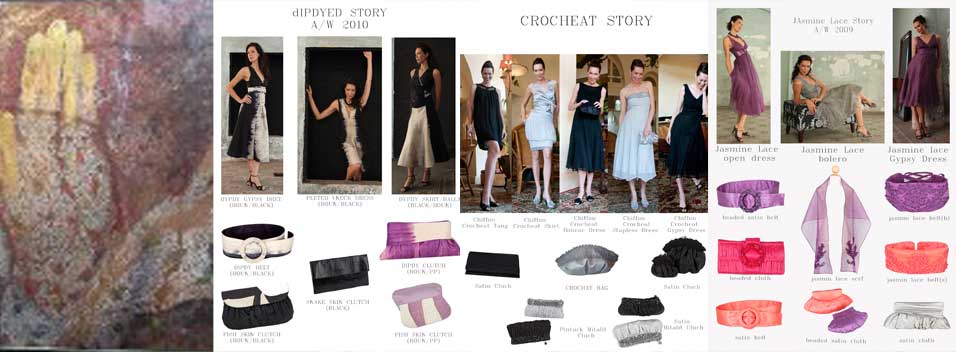
SOK Chandara is an up and coming fashion designer from Phnom Penh. He is an accomplished artist who is making a name and a reputation for himself in the challenging world of Fashion. He is the youngest child of a large family and at a young age chose to follow a different career path than his older brothers. He continues to live in the family home on the outskirts of the capital and to follow his dream of creating beautiful works of art and design. After graduating from high school, he chose to pursue his artistic passion by studying Interior Design for three years at SETEC University.
Using his newly learned skills and combining them with his creative energy, he did not seek out regular employment but began to create works of art at home. The works explored floral themes, comprised objects of fashion and accessories and always incorporated fabric with seductive colors. Using his skill on a sewing machine, he realized that he could make objects that could be sold to further support his creative energies. He did not meet with immediate success, but remained determined and did not give up. Little by little, he created his own unique style. His friends began to notice his talent and he became the designer for Daisy a boutique specializing in the latest fashions. Together, their success rested upon exceptional design, loyal customers, a staff of skilled dress-makers, and above all, the continual study of what makes for great French and Italian design.
For more than a year now, and in addition to his work creating ready to wear items that have gained international recognition, SOK Chandara has created unique pieces of fashion for himself, for an established group of clients and for Fashion Shows. In 2014, he plans to empty his room at home of its hidden treasures and open his own boutique and workshop under the name, ELAN. His product line will include fashion accessories and clothing that reflect his refined taste and flowering imagination.
SOK Chandara est un créateur de mode en vogue, en ce moment, à Phnom Penh. Un artiste accompli qui est en train de naître et de percer dans le monde difficile de la Mode.
Dernier d’une modeste famille nombreuse, il fait très jeune le choix de la singularité vis-à-vis de ses grands frères. Il veut vivre dans son monde, tout en restant dans la maison familiale de la banlieue de la capitale. Il décide de suivre ses idées, c’est à dire de travailler ce qui est beau et de créer son propre art. Il sent dans ses mains un potentiel de création artistique, quand à la sortie du lycée, sa tête bien faite choisit d’étudier « la Décoration d’Intérieur » durant quatre années à l’université SETEC.
Fort de quelques qualifications techniques, il ne recherche pas vraiment un job mais se met à créer des objets dans sa chambre peu à peu remplie de ses compositions florales, d’accessoires de mode ainsi que de tissus dont les couleurs le séduisent et … d’une machine à coudre car il s’aperçoit que dans ce domaine il peut créer pour vendre.
Son succès n’est pas immédiat mais sa détermination est constante. Il travaille et poursuit son chemin. Avec ses amis qui remarquent son talent avec lesquels il s’associe, il fait la décoration de la Boutique Daisy dont le succès repose sur ses dessins, ses patrons, ses tailleurs et sa recherche permanente de comprendre ce qui fait le succès des grands de la Mode Française et Italienne. Son activité de prêt-à-porter connait le succès au-delà des frontières du Cambodge.
Depuis un an, il crée des pièces uniques, pour lui, quelques clientes et pour des défilés de mode. Sur le point de vider sa chambre pleine de magnificence cachée, il lui tarde d’ouvrir en 2014 sa propre boutique, son atelier de création et de production avec sa marque : ELAN. Si c’était un cheval, avec un tel ‘élan,’ il faudrait absolument parier sur lui.
Fine Artist and Designe
Born in 1968 in Manila, Philippines, Matthew Tito CUENCA grew up in a multi-racial, multi-faith home. His home life greatly encouraged his love of painting and influenced his unique technique of blending the familiar and foreign into thoughtful, unconventional combinations of art and story. In 1991, he received his B.F.A. with honors from Parsons School of Art and Design. During this time he continued to develop his personal study on the juxtaposition of function and design and became a successful fashion designer.
For the next 15 years he worked as a Designer, Illustrator and Art Director for several notable companies such as Harper Collins Trophy, Moody Publishing, Bill Blass Sportswear, J. Crew and Oleg Cassine Couture. He has also worked as an associate professor at the Fashion Institute of Technology. In 2002, he decided to leave the world of Fashion, move to Paris and rekindle his love of sculpture and painting. Currently, he lives and works in Cambodia where he derives limitless inspiration from the history and beauty of the Khmer landscape, people, and customs.
Artiste et designer né en 1968 à Manille, aux Philippines, Matthew Tito CUENCA a grandi dans un environnement multiculturel. Sa vie de famille a fortement encouragé son amour de la peinture. En 1991, il sort avec son diplôme de Bachelor of Fine Art ( B.F.A) avec les honneurs de la Parsons School of Art and Design de NYC
Durant les quinze dernières années, il a travaillé pour plusieurs compagnies connues comme Harper Collins Trophy, Editions Moody, Bill Blass sportwear, J.Crew, et Oleg Cassine Couture. Il a également collaboré à la Fashion Institute of Technology.
En 2002, il décide de quitter le monde de la mode et s’installe à Paris où il ravive son amour de la sculpture et la peinture. Actuellement il vit et travaille au Cambodge où il tire une inspiration sans limite de l’histoire, de la beauté du paysage khmer, des gens et des coutumes.
Website: http://www.matthewcuenca.com
[nggallery id=22]
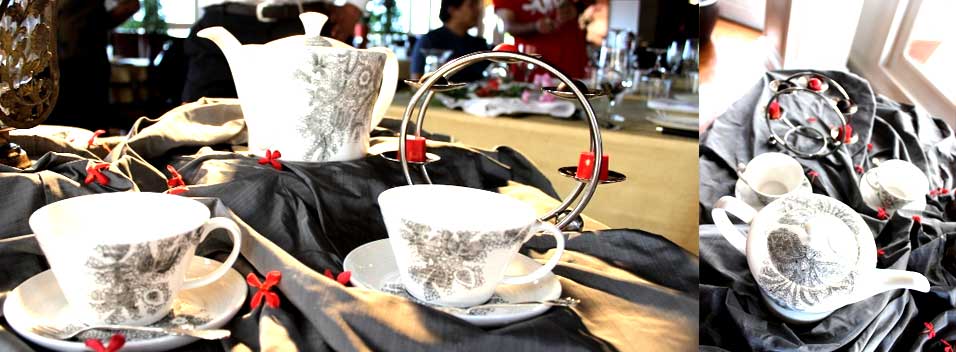
Following his initial training at the Ecole des Beaux-Arts in Paris, OUM worked in the studios of Guy Laroche and Givenchy. He returned to Cambodia in 2000, and launched his own unique product line in silk, porcelain and furniture design. Today, he is creating prét-à-porter collections for men and women, and has undertaken to astound us with a new line of accessories that include hand-bags and shoes.
Après sa formation à l'Ecole des Beaux-Arts de Paris, OUM a travaillé dans les studios de Guy Laroche et Givenchy. Il est retourné au Cambodge en 2000, et a lancé ses activités dans les arts de la soie, la porcelaine et les meubles. Aujourd'hui, il crée des collections de prét-à-porter pour hommes et femmes, et il a également entrepris la création d'une ligne d'accessoires.
Website : www.oumdesign.com
Born in Kampong Thom Province, Cambodia in 1983, PHE Sophon pursued his passion and completed studies in the Fine Arts. Over the past decade, he has displayed his creations at exhibitions in Hong Kong (2006), Phnom Penh (2007), Shanghai (2008), and even performed in the United States (2006). He has chosen to focus his creativity on experimental forms of painting, sculpture and installation pieces.
Né à Kampong Thom province, Cambodge en 1983, PHE Sophon a terminé ses études de Beaux-Arts et a pris part à différentes expositions à Hong Kong (2006), Phnom Penh (2007), Shanghai (2008) et même s’est produit aux Etats-Unis en 2006. Il s’intéresse à des formes expérimentales de peinture, sculpture et installation.
Email : a1-sophon@yahoo.com
[nggallery id=17]
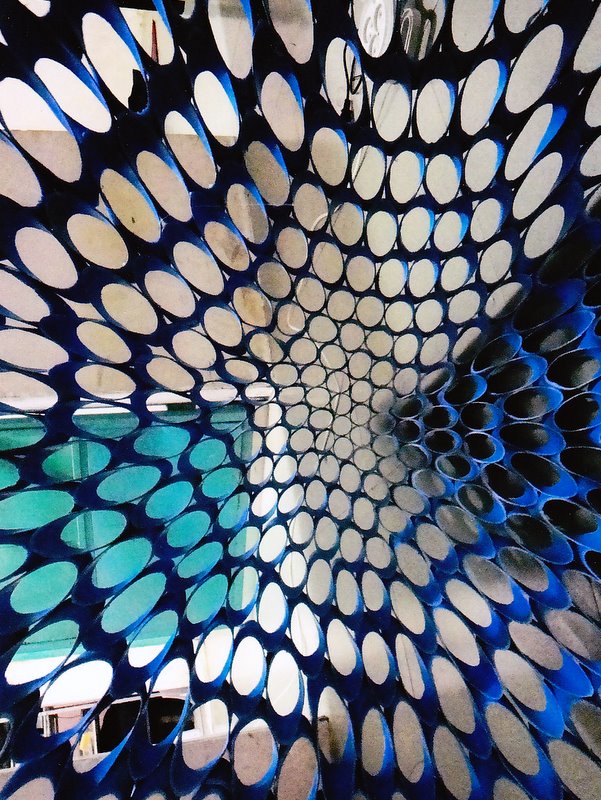
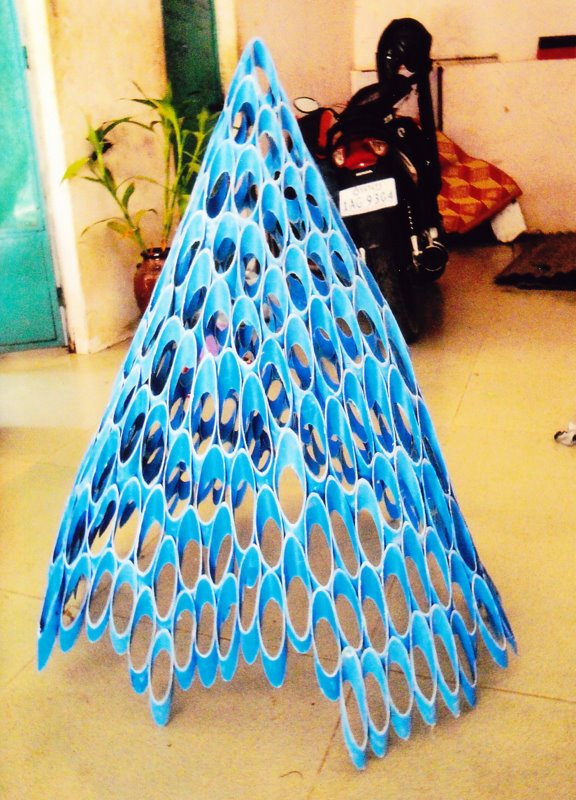
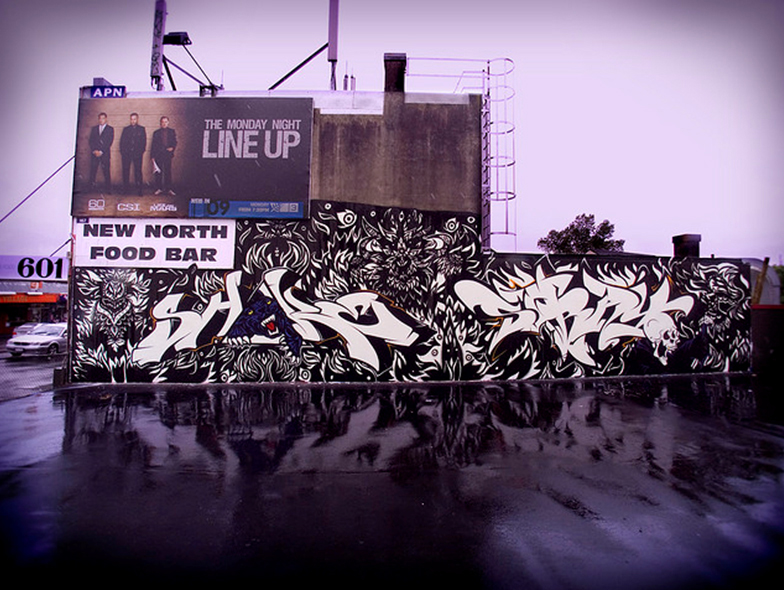
Peap TARR finds his artistic roots in the graffiti art culture but blends it with his New Zealand and Cambodian heritage to create a unique form of street art. His sinister, yet tranquil, works of art have become his signature style, and have caught the attention of art lovers from around the world, and also gained the respect of many of his art peers. His work has appeared in various international art magazines and galleries. Peap’s street art is unique. It exists in a world where light and dark battle, yet coexist to balance each other and contrast each other. He works almost exclusively in black and white, and his tribal patterns owe as much to his New Zealand heritage as to his Cambodian ancestry.
Lisa MAM is Cambodia’s first female Urban Street Artist and has exhibited nationally and internationally. Most notably, she participated in the charity auction officiated by Lionel Gosset of Christie’s Paris held in Cambodia in 2012, the Lotus Arts De Vivre in Bangkok, and the Bed Supper club Bangkok. Lisa aka “Lil Dots” is a rising star in the rapidly changing art scene of Phnom Penh. She is a trailblazer, and is helping to develop a new urban art movement. She hopes one day that Khmer Graffiti and Street Art will be seen all around the world giving a boost to the rebirth of a vibrant Khmer arts tradition.
Peap TARR trouve ses racines dans la culture “graffiti” mélangeant son héritage neo- zélandais et cambodgien pour créer un art de la rue tout à fait unique. Son travail, macabre bien que paisible est devenu son style. Sa signature a attiré l’attention des amoureux des Arts de La Rue à travers le monde et le respect de ses pairs. Ses œuvres paraissent dans toutes sortes de magazines internationaux et dans des Galeries. L’art de La Rue de Peap est unique. Parfaitement équilibré coexiste dans son travail la bataille du noir et de la lumière. Son travail est généralement en noir et blanc. Ses dessins tribaux ont plus avoir avec son héritage néo zélandais que khmer.
Lisa MAM est la première femme cambodgienne graffeuse. Elle a exposé aussi bien dans son pays qu’à l’international. Elle a participé en 2012 à la première vente aux enchères caritative orchestrée par Lionel Gosset de chez Christie’s Paris. Elle a également exposé chez Lotus Art de Vivre à Bangkok et au Bed Supper club de Bangkok. Lisa dite “Lil Dots” est une étoile montante qui a rapidement changé la scène Phnompenhoise. C’est une pionnière qui aide à développer dans son pays un courant “Graffeurs”. Le rêve de Lisa c’est de voir dans les rues du monde entier le travail des graffeurs khmers, ce qui donnera un sérieux coup de pouce à l’art traditionnel khmer.
Web Site : www.fatcap.com/article/peap/sets
[nggallery id=9]
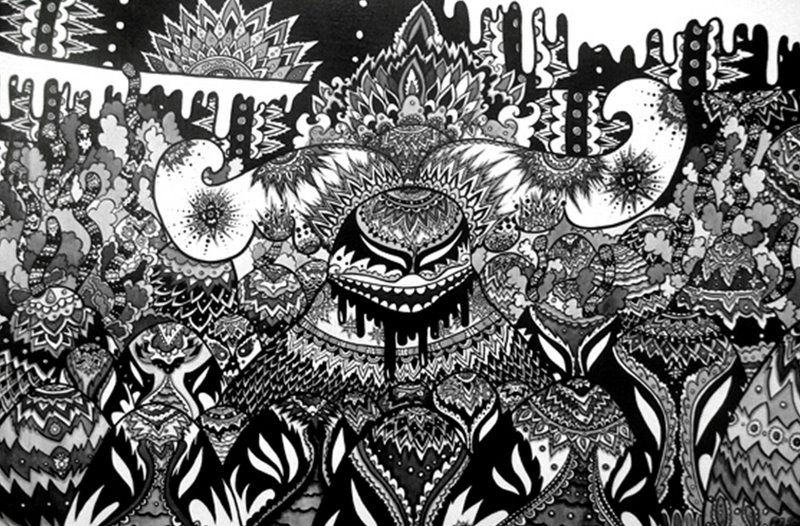
Born in Prey Veng in 1973, SOK Chan began work as an apprentice in an NGO run program to learn the rapidly disappearing art of carving buffalo horn. His great talent was quickly recognized, and after only six months in the program, he left to become the assistant to his master. Unfortunately, due to a lack of market demand for his work, he abandoned his art to become a construction worker. Ten years later, after exploring renewed interest in his art, he decided to return to his first love. Today, he employs seven carvers who work hard to keep up with an ever-growing order book. SOK Chan produces mostly custom made pieces of jewelry, but also creates his own designs. He remains one of the few Cambodian artisans who still work the beautiful black and white buffalo horn, and thanks to his willingness to pass along his knowledge, he is helping to revitalize a traditional skill and art form that were almost lost.
Né à Prey Veng, en 1973, SOK Chan a commencé à travailler avec une ONG à l’âge de 16 ans, à apprendre l'art de la sculpture sur corne de buffle. Il est si talentueux qu’il quitte le programme d’apprentissage au bout du six mois pour devenir l’assistant de son maître. Malheureusement, à cause du manque de demande sur le marché, il abandonne son art pour devenir maçon. Dix ans plus tard, constatant l’intérêt renouvelé pour son art, il décide de retourner à ses premières amours. Il reste un des derniers cambodgiens qui travaillent encore la corne de buffle et perpétue ainsi un savoir ancestral.
Born in Takeo in 1968, Theam grew up in Cambodia during the Khmer Rouge regime. In 1980, he moved to France where he feels he experienced a second birth. From 1989 to 1994, he studied visual art at the Ecole des Beaux-Arts in Paris, and obtained a diploma in applied arts and design at the Boulle School. He returned to Cambodia in 1995 and is one of the founding members of Artisans d’Angkor, serving as its artistic director from 1997 to 2008.
Né à Takeo en 1968, Theam grandit au Cambodge pendant le régime khmer rouge. Il quitte le Cambodge pour la France en 1980, ce fut une seconde naissance. De 1989 à 1994, il a étudié à l’Ecole des Beaux-Arts de Paris en arts visuels, et a obtenu un diplôme en arts appliqués et en design de l’Ecole Boulle. Il s’installe au Cambodge en 1995 ou il devient un des membres fondateurs des Artisans d’Angkor dont il est le directeur
[nggallery id=14]
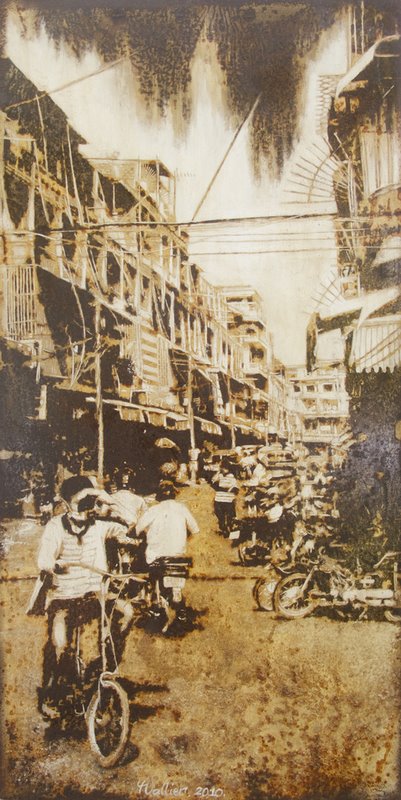
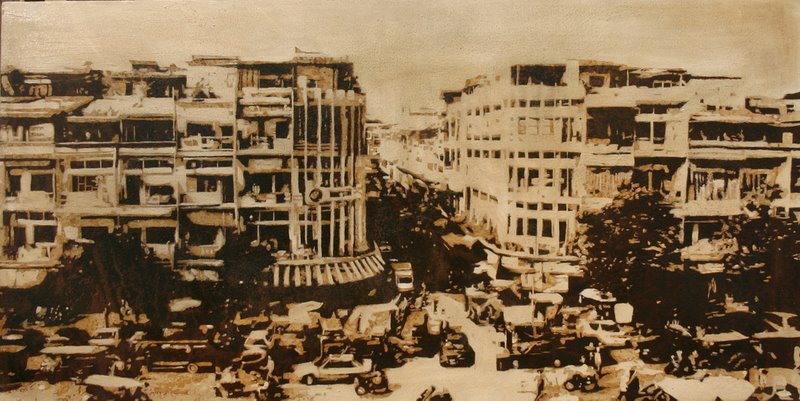
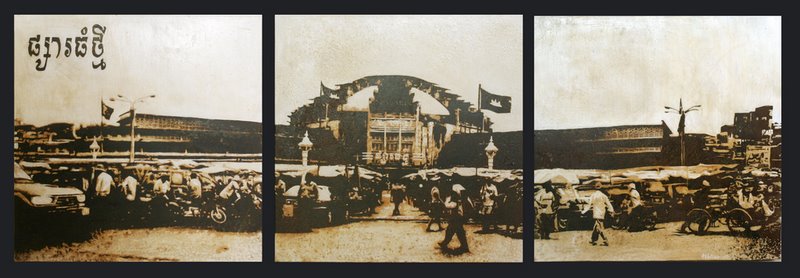
Born in 1980, French artist Théo VALLIER has lived and worked in Phnom Penh since 2007 where he explores the theme of streets and their movement. He has exhibited in France (Paris and Marseille) and Cambodia, enjoys working in multiple media and continues to experiment with different techniques in painting, graphic art, Graffiti, photography and silk-screen.
In addition to painting on canvas, Théo VALLIER developed a pictorial style of painting on sheets of rusted metal in order to capture the aesthetic feel of the contemporary urban environment. His work expresses a particular perception of urbanism that reminds the viewer of the impermanence of all things and forms, and pushes the viewer deeper into the image and closer to the raw materials. The artist finds in the city a singular material, rust – created by erosion and the passage of time – and employs it almost as a living material. In his images of Phnom Penh, he creates a unified feel by using common materials, colors and characteristics. He creates a feeling of depth in this works of art by layering different materials. The first layer is the support structure, the sheet of metal with its inevitable oxidation. White is added in successive layers to mask the rust, that in turn attacks the paint, and then is once again covered by more paint, and so on…. For Théo, “a representation in art of the interaction between man and nature.”
Plasticien Français, né en 1980, a exposé en France (Paris et Marseille) et au Cambodge. Il vit et travaille à Phnom Penh depuis 2007, où il continue à explorer le thème de la rue et de ses mouvements. Artiste multidisciplinaire il ne cesse de faire des allers retours entre différentes techniques tel que la peinture, le graphisme, le Graffiti, la photo et la sérigraphie.
A côté de la peinture sur toile, Théo VALLIER développe une approche picturale sur plaques de métal rouillées, pour retrouver une matière et un esthétisme présents à l’état naturel dans l’univers urbain contemporain. Son travail exprime une perception particulière de l’urbanité et veut rappeler l’impermanence de toute chose et de toute forme, pousser le spectateur à plonger dans l’image et à se rapprocher de la matière.
Le plasticien trouve dans la ville une matière singulière, la rouille, produit de l’usure et du passage du temps. Il se l’approprie avec l’idée de la travailler comme un matériau vivant. A partir de ses clichés de Phnom Penh, il revisite une vision singulière de la ville en reliant une matière, une couleur et un trait. Les images sont constituées de différents plans qui, une fois superposés, créent la profondeur. Le premier est le support lui même, c’est a dire le métal, sa matière, son oxydation. Le blanc, par couches successives, masque en partie la rouille qui, le temps faisant son œuvre, attaque la peinture, qui elle-même, couvre à nouveau la rouille, ainsi de suite… Interaction entre homme et nature via la matière.
Informations relative à l’œuvre donnée pour la vente Christie’s :
« International » Acrylic sur métal, 50cm/100cm
Paris
Web Site : www.valliertheo.com
[nggallery id=13]

Thomas PIERRE was born in France and now lives and works in Phnom Penh, Cambodia. He has had great international success and exhibited locally and in France, Germany and Finland. Some of his recent exhibitions include:
Thomas PIERRE est né en France. Il travaille maintenant au Cambodge.
Il connait un succès international en exposant dans différents pays tels que la France, l’Allemagne et la Finlande. Voici la liste de ses récentes expositions:
2013 Perspective, Metahouse, Phnom Penh, Cambodia
60 years of Pasteur Institute, Phnom Penh, Cambodia
Tribute to Vann Nath, Phnom Penh, Cambodia
In the shadow of Deities, Institut Français, Phnom Penh, Cambodia
2012 September 2012, CCFC, Phnom Penh, Cambodia
Shadows, Top-Art-Gallery, Phnom Penh, Cambodia
Paintings, Openwine, Phnom Penh, Cambodia
The Cambodia Mask Project 2012, Phnom Penh, Cambodia
Luxe et Art de Vivre, la Galerie, Phnom Penh, Cambodia
2011 Hollandse Club, Singapore
Salon des créateurs, Phnom Penh, Cambodia
2010 Regards croisés, Phnom Penh, Cambodia
Luxury and Lifestyle, Phnom Penh, Cambodia
National museum, Phnom Penh, Cambodia
2009 Artsyne, Paris, France
Galerie P13, Heidelberg, Germany
2008 Maison de Heidelberg, Montpellier, France
00130 Gallery, Helsinki, Finland
2007 Espace Lhomond, Paris, France
2006 Saison Française, Berlin, Germany
Palais des Expositions, Reims, France
2005 Galerie Municipal, Le Blanc, France
Galerie Pritzkow, Bonn, Germany
L’Art en Plus, Elancourt, France
2004 Ambassade d’Allemagne, Paris, France
Académie de l’Oeil Bleu, Soisson, France
Champagne Pannier, Château-Thierry, France
2003 Chantal Herbel, Buc, France
Galerie Imag’in Art, Paris, France
2002 Technocentre Renault, Guyancourt, France
Galerie Le Corbusier, Trappes, France
2001 Salles d’Armes, Pont de l’Arche, France
Chapelle de la Villedieu, Elancourt, France
La Sorbonne, Paris, France
2000 Espace Paul Ricard, Bandol, France
Salon de Mai, Paris, France
L’Art en Plus, Elancourt, France
Email : tpmessage@gmail.com
Web Site : www.thomaspierre.com
Thomas Pierre